Improve efficiency & centralize business operations with a custom web portal built for your business.
Are Your Outdated Systems Creating Operational Challenges for Your Business?
Are outdated systems slowing down how your business actually runs? When teams depend on legacy software, every small change feels risky, support is hard to find, and growth plans get blocked by technical limitations. The goal of modernization is not to “rewrite everything in a new language”; it is to make your existing systems faster, safer, and easier to evolve without disrupting day‑to‑day operations.
At Palm Infotech, we offer legacy software modernization services that are planned, staged, and aligned with your business roadmap. Instead of forcing you into a one‑size‑fits‑all product, we analyse your current applications, understand how they support your operations today, and then design a modernization path that keeps what works while upgrading what holds you back.

100+
Apps live in Play Store
10+
Industries Served
1 Million
Total Apps Download
30000+
Customers
90%
Returning Customers
120+
Apps Developed
4.9/5
Clutch Rating
50000+
Work Hours
Build secure and scalable web portals tailored to your workflows and operational needs.
Custom Web Portal Development to Streamline Your Business Operations
We offer custom web portal development services that align with your business processes, centralise operations, and give your team a single, efficient platform to manage everything seamlessly.

Custom‑built around your business workflows
Our custom web portal development services are designed for enterprises that want technology to follow their workflows, not force rigid process changes. We build portals that reflect how your business actually operates, making adoption easier and day‑to‑day execution faster.

Designed to centralise operations
We design web portal applications that bring together key processes like orders, approvals, communication, documents, and reporting into one intuitive interface. This eliminates scattered systems and gives your team better control and visibility.

Built as your operational hub
From B2B interactions and customer self‑service to employee collaboration and vendor management, we ensure your portal becomes the central hub of your organisation streamlining operations, improving coordination, and supporting scalable growth.
Improved Software Performance
Legacy software often struggles with response times, concurrency, and heavy reporting. Over the years, patches and workarounds make performance worse. Through structured software modernization, we streamline architecture, optimize queries and services, and introduce caching where it makes sense. This leads to faster screens, quicker report generation, and more reliable performance under real‑world load.

Better Scalability and Performance
Older systems were rarely designed for today’s scale multi‑location operations, global users, or high‑volume transactions. Scaling usually means adding servers until it becomes too expensive. Modernizing your system allows us to redesign how modules communicate, introduce horizontal scaling where needed, and use cloud capabilities so you can grow users and transactions without hitting hard technical limits.

Reduced Maintenance Costs
Legacy systems often rely on outdated languages, unsupported libraries, and a shrinking pool of developers who understand them. Maintenance becomes slower and more expensive, and every new feature request turns into a negotiation. By updating your stack and codebase, we reduce the time needed to fix issues, simplify onboarding for new developers, and cut down on “keeping the lights on” costs.

Enhanced security and compliance
Security patches for older frameworks and servers either stop arriving or become harder to apply safely. At the same time, compliance requirements become stricter. During modernization, we upgrade frameworks, libraries, and infrastructure to current standards, implement secure coding practices, and close known vulnerabilities. This reduces the risk of breaches and makes audits easier to pass.

Faster integration with modern tools
Many businesses want to connect their core systems to CRMs, ERPs, analytics tools, payment gateways, and SaaS platforms. Legacy software often makes this difficult or impossible. As part of our application modernization services, we design and implement clean REST or GraphQL APIs, event‑based integrations, and connectors so your modernized system can talk to the rest of your technology ecosystem without fragile workarounds.

Improved user experience and accessibility
Users get used to clunky workflows, outdated screens, and inconsistent behavior because “that’s how the system works”. However, this affects productivity and training time. Modernization is a chance to rethink the UI/UX while keeping the same core capabilities. We redesign key workflows, update layouts for modern devices, and improve accessibility so your teams can work faster with fewer clicks and less confusion.


From consulting & development to integration & support, we deliver complete portal solutions.
Our Legacy Software Modernization Services Include
From first assessment to cloud migration and ongoing refactoring, we cover every step of the modernization journey.

Software Modernization Consulting
Every modernization initiative starts with clarity. We conduct discovery sessions, codebase analysis, and architecture reviews to understand how your system currently works and where it is blocking growth. You get a clear modernization roadmap that outlines priorities, risks, phases, and expected outcomes.

Legacy System Migration
We handle migrations from old platforms, frameworks, or infrastructure to modern environments. This includes data migration, schema redesign where needed, integration re‑wiring, and cut‑over planning. Migrations are staged and tested so your team can continue working while the new system gradually takes over.

UI/UX Improvement
We refresh the user interface to match today’s expectations while respecting existing workflows. The focus is on clarity, consistency, and minimal training effort. This can cover responsive layouts, simplified forms, better navigation, and more intuitive error feedback so users can rely on the system instead of working around it.

Database Modernization
We modernize databases by upgrading engines, optimizing indices and queries, and when needed migrating to more scalable or cloud‑hosted options. Throughout this process, data integrity, performance, and backup strategies are treated as non‑negotiable.

Code Refactoring
In areas where a complete rewrite is unnecessary, we improve code quality through refactoring. This includes removing dead code, improving structure, splitting oversized modules, and strengthening test coverage so the codebase is cleaner, more predictable, and easier to maintain.
Software Re-engineering
When the business logic is solid but the implementation is fragile, we reengineer modules instead of rewriting everything. This can include restructuring code, adopting better design patterns, updating frameworks, and aligning the architecture with modern standards while keeping the functional behavior intact.

Cloud Application Modernization
For organizations moving away from on‑premise deployments, we modernize applications for cloud readiness. That can mean re‑platforming to managed services, containerizing applications, or re‑architecting parts of the system to properly leverage cloud‑native features such as auto‑scaling, managed databases, and distributed caching.

API Integrations
Our team designs and builds APIs around modernized systems, enabling clean communication with internal and external services. We also integrate with CRMs, ERPs, payment gateways, analytics tools, and other business applications so data flows cleanly across your stack.
Technology Modernization
We replace outdated languages, frameworks, and libraries with current, widely supported options. This makes your system easier to hire for, reduces security risks, and ensures that your technology stack will remain stable and supportable for years.

Artificial Intelligence
We embed AI components such as chatbots, intelligent search, or recommendation engines to streamline support, personalize experiences, and automate repetitive work.

Machine Learning
Using your historical data, we build models for prediction, anomaly detection, and forecasting. These models help you anticipate demand, spot issues early, and make better decisions.

Real‑Time Analytics Dashboards
We implement dashboards that surface live KPIs and operational metrics from your modernized system. Teams get clear, up‑to‑date insights instead of waiting for offline reports.

Cloud Infrastructure
Our architectures are designed to leverage cloud infrastructure where it makes sense: managed databases, containers, auto‑scaling, monitoring, and backup solutions that improve reliability and reduce manual effort.

Internet of Things
For manufacturing, logistics, or field operations, we connect IoT devices to your modernized systems so real‑time data flows directly into your core applications.

Workflow Automation
We build automation into key workflows—approvals, notifications, data transfers—so manual steps, delays, and human errors are reduced.

Data Security Enhancements
Security is addressed at both application and infrastructure layers: encryption, access control, audit trails, and secure deployment practices become part of your modernized solution instead of being add‑ons.
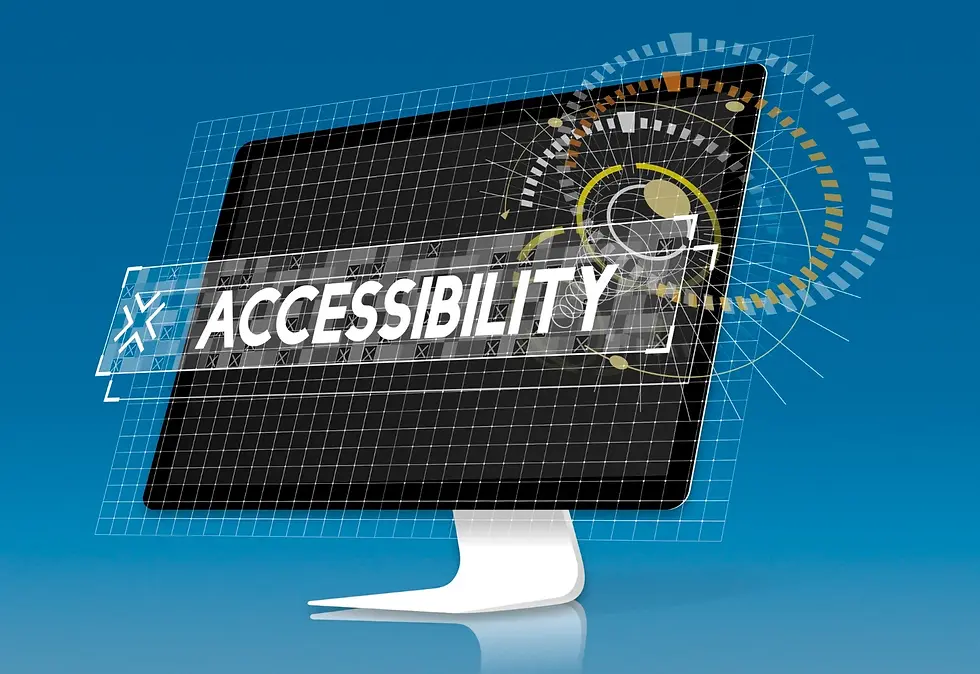
Multi‑User Accessibility
We ensure your modernized software supports multiple roles, concurrent users, and secure remote access so teams can collaborate effectively across locations.
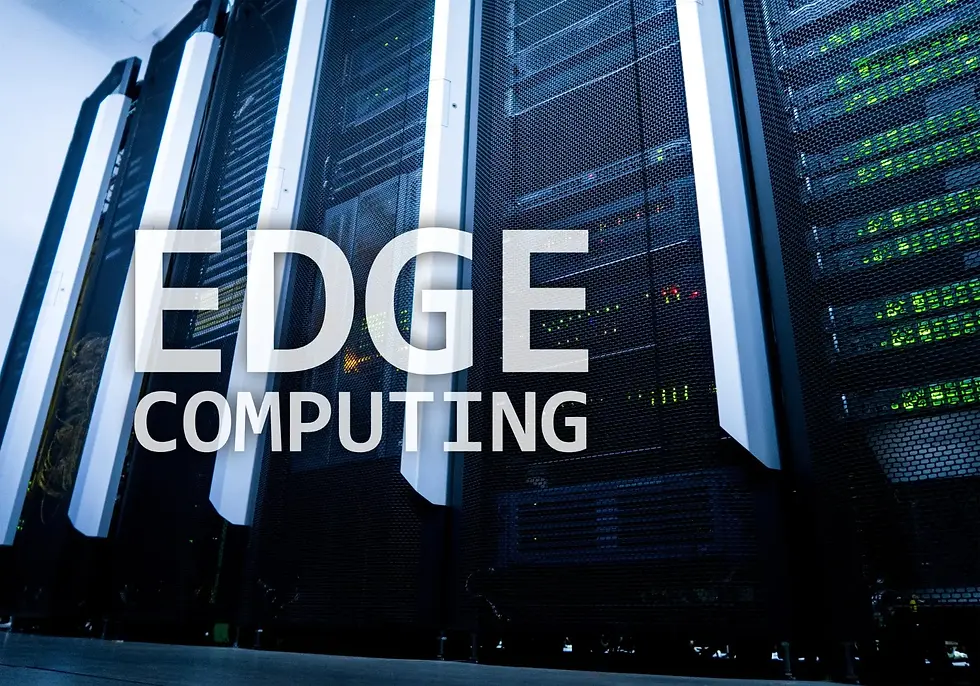
Edge Computing
Where latency and connectivity are critical, we adopt edge computing patterns to process data closer to where it is generated, then sync with the central system.

Microservice Architecture
Where appropriate, we gradually break monolithic systems into smaller, independent services. This improves scalability, resilience, and release flexibility while keeping the business running during the transition.
With the Right Mobile App,
Great Things Can Happen


Software Modernization Expertise
Our teams focus on complex, multi‑module systems, not just small stand‑alone apps. We understand the realities of long‑lived codebases and the trade‑offs required to modernize them safely.
Secure and Scalable Architecture
Our modernization work is guided by architecture that puts security, performance, and scalability first. The aim is to give you a platform that will support your growth for years—not a temporary patch.
Minimal Operational Disruption
We plan modernization in phases, keeping critical workflows available while new modules, services, or interfaces go live. Cut‑overs are rehearsed and validated before they reach production.
Cloud‑native Modernization Approach
Our methods combine DevOps practices, automated testing, continuous integration, and continuous delivery. After modernization, you benefit from faster, more reliable releases instead of risky big‑bang deployments.
5+ years of Experience
With years focused on custom software and modernization projects, we have seen a wide range of legacy stacks and business domains. That experience shapes how we design, plan, and deliver your project.

Dedicated Development Team
You work with a dedicated team—architects, developers, QA engineers, and a project manager—who stay aligned with your roadmap and communicate clearly at every stage.

Long‑term Support and Optimization
Modernization does not end at go‑live. We stay available for ongoing support, optimizations, and new feature cycles so your modernized system continues to evolve with your business.

ERP Software
We modernize in‑house or heavily customized ERP systems so they can scale, integrate with other tools, and provide better reporting. The goal is to improve performance and usability without disrupting core finance, inventory, and operations workflows.

CRM Software
For customer‑facing operations, we upgrade legacy CRM systems to support modern communication channels, better automation, and richer reporting, giving sales and support teams a clearer view of their pipeline and customers.

Inventory Management Systems
We modernize inventory solutions with real‑time stock updates, multi‑location visibility, barcode or QR integrations, and better forecasting support so you can make decisions based on accurate data instead of stale reports.

Custom Enterprise Software
Many organizations rely on bespoke systems built over many years. Rather than discarding them, we treat them as strategic assets. Our modernization work keeps critical business rules and flows intact while updating architecture, integrations, and UX for current and future needs.

POS Software
We refresh and extend legacy POS systems so they can handle modern payment methods, multi‑store operations, and integrations with e‑commerce, inventory, and loyalty platforms while keeping counters productive and downtime low.
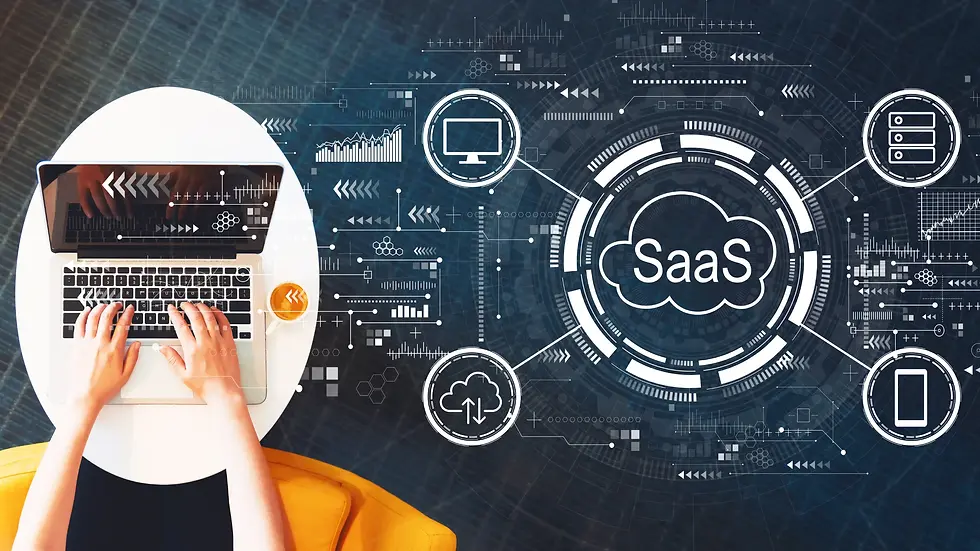
SaaS Software
If you provide software as a service, we help modernize your platform for better multi‑tenancy, scalability, onboarding, and observability. The focus is on keeping existing customers running while making the platform ready for more users and features.
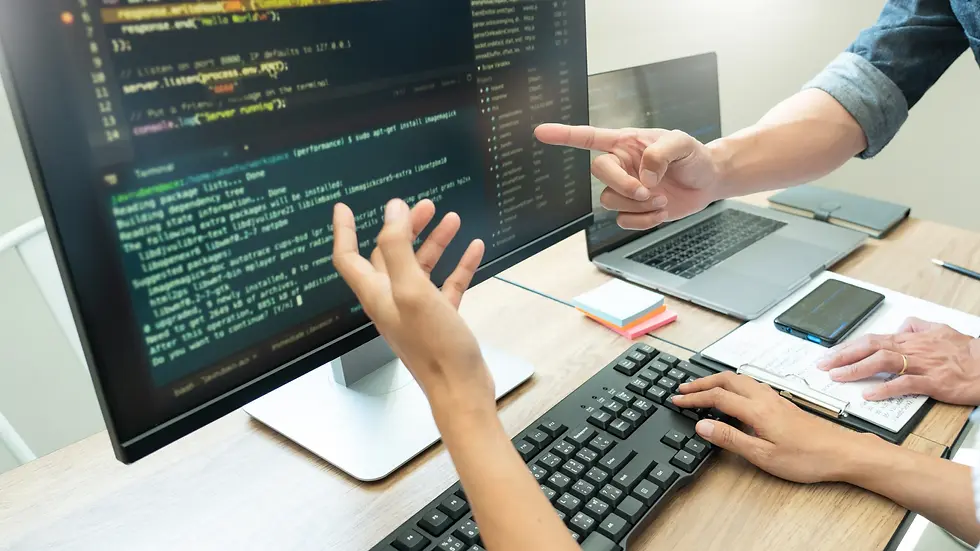
Web Portal Software
We modernize portals used by customers, partners, or internal teams, improving security, usability, and integration with back‑office systems. This often includes updating tech stacks, refreshing UI/UX, and strengthening access control.
Technologies We Use
Technologies and Platforms We Use to Modernize Your Software
We work with modern web, backend, mobile, and cloud technologies that are proven in production and widely supported. The exact stack is chosen based on your context—internal skills, existing investments, and performance or compliance needs. The goal is to give you a solution that is robust, maintainable, and flexible rather than tying you to a single niche technology.

HTML
CSS3

Javascript

React

Flutter




Cilent Testimonials
Know from Our Clients

Tejas and the Palm Infotech team were outstanding. We started with a zoom call and Tejas instantly understood what was required, asking the relevant questions to ensure the app was made to my standard. The team made an app for my business with multiple features and guided me through the approval process for the necessary app stores. They delivered a high quality and responsive app in line with our expectations. Tejas was exceptional in providing how long was needed for each app element and adhered to time needed. He was also flexible and adaptable, accommodating numerous design changes throughout the development process seamlessly.
Kashif
CEO

I wholeheartedly recommend Palm Infotech following our successful collaboration on a recent UpWork project. Their team combined professionalism with deep technical expertise, consistently delivering ahead of schedule while offering innovative solutions. Their exceptional communication ensured a transparent and efficient workflow, making them not only technically proficient but also a pleasure to work with. Should another opportunity arise, I would eagerly work with them again and urge others to consider their top-notch services.
Mostafa Adam
CEO

The team is knowledgeable and knows how to achieve milestones. They communicate closely with the client and quickly implement any feedback they receive. Their resources are highly professional and have a well-structured project management style. All the teams involved in our project worked together in incredible coordination. The team had an excellent project management approach, delivering the app on time. As a result, the product was launched on schedule.
Sagar Bhagaddia
CEO

Our team requested a MVP be built by Palm Infotech and was more than thrilled with the work upon completion. I primarily dealt with Tejas and another associate (Meet) who provided clear communication daily on key elements such as goals, tasks, updates, and deadlines. The team was very knowledgeable with their strong technical background, and more importantly had great interpersonal skills to compliment it. After initial analysis of our project within the first few days, Tejas and his team were able to identify how long deadlines would approximately take, and provided us with alternative solutions to any problems we may come across.
Husam Alesayi
CEO
Delivered tailored solutions across sectors
Software Modernization Services We Offer for Various Industries
We provide custom software modernization services across sectors such as manufacturing, retail, logistics, healthcare, financial services, and SaaS. Each project is adapted to the specific regulatory requirements, data sensitivity, and operational patterns of that industry.
Healthcare Industry
Hospitality & Travel Industry
Textile Industry
Finance Industry
Pharma Industry
Manufacturing Industry
Automotive Industry
Construction Industry
Logistics & Supply Chain
Retail & E-commerce
Grow Your Business
How Much Does Legacy Software Modernization Cost?
The cost of legacy software modernization depends on several factors, including the size and age of your existing codebase, the current technology stack and infrastructure, the number of integrations and external systems involved, the complexity of your business rules and data models, and how much of the system needs full re‑architecture versus targeted refactoring. Smaller, well‑bounded applications with limited integrations can usually be modernized with a more modest investment, while large, multi‑system environments demand deeper planning and staged delivery.
To give you a realistic range, we typically begin with an assessment phase that results in a clear cost bracket and phase‑wise plan, so you have visibility into scope, timelines, and priorities before any major engineering work begins.





Clear Your Doubts
FAQs
Legacy software modernization is the process of upgrading older applications so they are faster, more secure, and easier to maintain, without losing the business logic they already handle well. It can involve re‑architecting parts of the system, updating the tech stack, improving the UI/UX, and adding integrations so the software fits today’s technology and business needs.
The cost depends on factors like the size and age of the codebase, the current tech stack, number of integrations, and how much of the system needs re‑architecture versus refactoring. Smaller, self‑contained applications are usually in the lower range, while large, multi‑system environments require higher investment. A short discovery or assessment phase is the best way to get a realistic cost estimate for your specific setup.
Timelines vary from a few weeks for a focused module or small application to several months for larger, multi‑module systems. Duration is driven by scope, complexity, integration depth, and whether the work is done in parallel with ongoing feature development. A proper roadmap usually breaks modernization into phases so you see value early instead of waiting for a single big release.
Modernization becomes necessary when your existing software starts blocking business goals—frequent downtime, slow performance, rising maintenance costs, security concerns, difficulty hiring developers for the tech stack, or an inability to integrate with new tools. If small changes feel risky and teams are forced into manual workarounds, it’s a strong sign that modernization is overdue.
Yes, cloud migration is often a core part of modernization. Depending on your needs, this can mean re‑hosting the application, re‑platforming to managed services, or re‑architecting parts of the system to be cloud‑native.
The right approach is chosen based on performance, compliance, and cost requirements—not just “moving everything to the cloud” for its own sake.
In many cases, yes. Full rewrites are rarely the first choice. A good modernization strategy mixes approaches: refactoring healthy parts of the code, re‑architecting or replacing the highest‑risk modules, and adding APIs or new interfaces where needed. This lets you reduce risk and cost while still getting a modern, stable system.
Outdated systems increase the risk of security breaches, data loss, and compliance failures, and they are more likely to suffer from downtime and performance issues. They also tend to rely on a shrinking pool of experts, making support expensive and slow. Over time, this can limit your ability to launch new products, integrate with partners, or scale operations.
Key benefits include better performance and scalability, lower maintenance costs, stronger security and compliance, easier integration with modern tools, and improved user experience. You also gain a cleaner, more future‑ready architecture that supports faster feature development instead of constant firefighting.
Security should be built into every stage of modernization. This includes secure development practices, controlled access to environments, encryption of sensitive data, thorough testing, and safe migration and rollout plans. With the right approach, modernization usually reduces your overall risk by removing outdated components and known vulnerabilities.
Look for a team with proven experience in legacy systems, clear case studies, and the ability to explain modernization options in plain language. They should be comfortable with staged delivery, strong on architecture and security, transparent about scope and risk, and willing to align their approach with your business priorities—not just push a single technical solution.
Yes. Many legacy desktop applications can be redesigned as web or cloud‑based applications that users access through a browser or thin client. This usually involves re‑architecting the application, modernizing the backend, and redesigning the UI, but it can significantly improve accessibility, collaboration, updates, and integration with the rest of your systems.